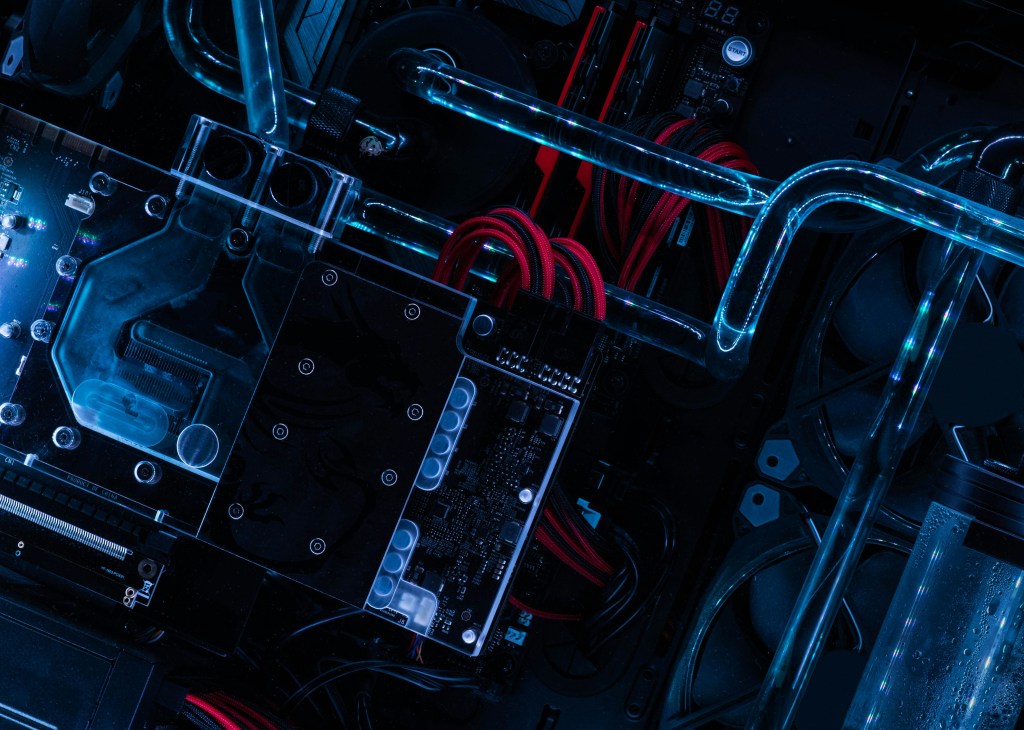
Technology is something very impressive and I find it quite interesting to look at all the time. Just to sit and look at all the tech that has been developed since the year of 2026 is very impressive. Seeing the things that tech companies are capable of is out of this world. Thinking of the evolution of all the tech that we now know and love is crazy to think about as well as to think that it’s only going to get more advanced in the decades to come is something very impressive. In this writing I want to focus on two major technological innovations that I believe will do very impressive things in the time to come. The two major innovations are, the Sodium Ion batteries and Hyperscale AI Data Centers. I will talk about why these are important and how these will do big things in the future. We will also expand more on my knowledge of technological Innovation as a whole.
Before looking at the two technologies, it helps to understand why technological innovation matters in the first place. According to Meridian University, technological innovation is basically the process of creating new tools or improving the ones we already have so that life becomes easier, cleaner, or more productive. They explain that new technology pushes economic growth, helps the environment, and improves the quality of life for people everywhere. They also point out that we are living in a time where things like artificial intelligence, renewable energy, and machine learning are changing how we work and live. Because of this, people and businesses need to learn how to adapt so they can keep up with these changes and use them to their advantage. This idea connects well with the two innovations I chose. Both Sodium Ion batteries and Hyperscale AI Data Centers show how new technology can shape the future in powerful ways. They each solve different problems, but both have the potential to make life better and support the kind of growth that Meridian University talks about.
Sodium Ion batteries are becoming a major topic in the energy world. One of the biggest reasons they matter is that sodium is extremely common. The article from Chemical & Engineering News explains that sodium is found all over the world, which means the supply chain is not controlled by just one country. This makes Sodium Ion batteries more secure and easier to produce in many places. Another important thing is that Sodium Ion batteries are getting better. Their energy density used to be too low, but now they are reaching levels that work well for things like stationary energy storage and low performance electric vehicles. The article also says they work better in cold temperatures and have a lower risk of catching fire compared to lithium‑ion batteries. These strengths make them useful for storing energy from renewable sources like solar and wind. Even though they are not as strong as lithium ion batteries for high performance cars, they are becoming a great option for things like home energy storage, backup power, and small EVs. Companies are already working on improving the chemistry so the batteries can hold more energy and charge faster. Some companies even believe Sodium Ion batteries could reach the same energy density as lithium iron phosphate batteries in the next few years. The biggest impact that Sodium Ion batteries could have on the future is making clean energy more affordable and more available. Since sodium is cheap and easy to find, these batteries could help countries build large energy storage systems without worrying about shortages or high prices. This supports the global move toward renewable energy, which connects back to the idea of technological innovation helping the environment and improving life.
The second innovation, Hyperscale AI Data Centers, is another technology that will shape the future in a big way. These data centers are built to handle huge amounts of information and run very large AI models. According to Clouding, hyperscale centers use thousands of servers, powerful GPUs and TPUs, and high‑speed networks to train and run advanced AI systems. One of the main reasons these data centers matter is that AI is becoming a part of almost everything in healthcare, transportation, business, education, and more. As AI models get bigger and more complex, they need more computing power. Hyperscale data centers are designed exactly for that. They can scale up quickly, store massive amounts of data, and keep everything running with low delays. Another important point from the article is that hyperscale centers are built to be efficient. They use advanced cooling systems, modular designs, and energy saving hardware. This helps reduce the environmental impact of running huge AI systems. They also support global access, meaning people around the world can use AI tools without slow speeds or interruptions. These centers also help businesses grow. Instead of buying expensive hardware, companies can use hyperscale AI services to train models, store data, or run applications. This lowers costs and helps more people use AI technology. This connects back to the idea from Meridian University that technological innovation creates new opportunities and helps people adapt to a changing world. In the future, hyperscale AI data centers will likely support things like smarter cities, better medical research, safer transportation, and more personalized digital tools. They are basically the “engine rooms” that power the AI systems we use every day.
Both Sodium Ion batteries and Hyperscale AI Data Centers show how innovation can shape the future in different but important ways. Sodium Ion batteries help with clean energy, safety, and global supply stability. Hyperscale AI Data Centers help with computing power, global access to AI, and the growth of digital tools. Together, they show how technology can support both the physical world (energy, storage, transportation) and the digital world (AI, data, automation). This matches the message from Meridian University that technological innovation is something we should embrace, not fear. It gives us new ways to solve problems and improve life.
References
Hyperscale AI Data Centers: What’s In the Box? (2025). Cloudian. https://cloudian.com/guides/ai-infrastructure/hyperscale-ai-data-centers-whats-in-the-box
Scott, A. (2025). Sodium-ion batteries: Should we believe the hype? Chemical & Engineering News. https://doi.org/10.1021/cen-195202-Feature
Meridian University. (2023, June 2). Meridian University.
https://meridianuniversity.edu/content/the-technological-innovation-revolution-are-you-ready
 Jaylen's Blog